 ⭐⭐⭐⭐⭐ 4.7/5 based on 300+ reviews ✅
 Free shipping from €35 or to a pickup point
 30-day money-back guarantee
The Hedonist Labs laboratory
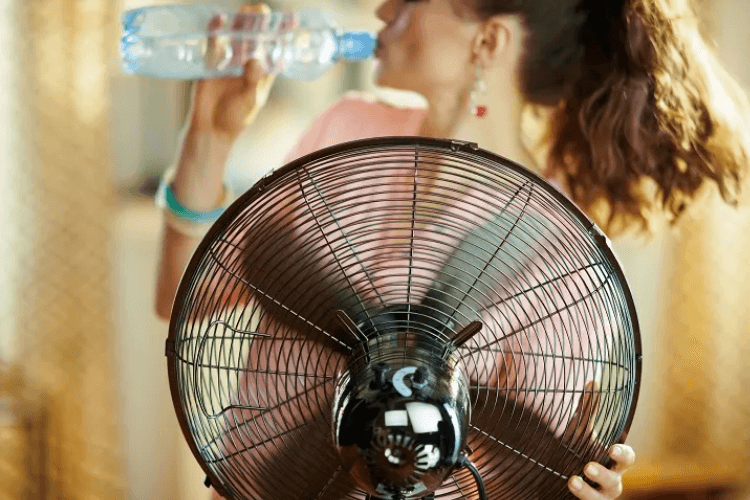
As the mercury rises, understanding our water needs becomes a matter of survival. Heatwaves, increasingly frequent and intense, challenge us to rethink our water consumption to maintain our health and well-being. As the climate changes, it's vital to recognise and respond to our body's increased hydration demands.
During a heatwave, how much water do we really need to drink to stay safe and healthy?
In a world facing increasingly frequent and intense heatwaves, the question of our real water needs during these periods of extreme heat becomes crucial. Understanding these needs is essential to safeguard our well-being and health, and to prevent the harmful consequences of dehydration. As temperatures rise and their impact on public health grows, it's essential to closely examine our water needs so we can adapt effectively to these extreme climate conditions.
FACTORS INFLUENCING WATER NEEDS
Understanding our water needs during periods of intense heat depends on several crucial factors:
- Temperature: As the temperature rises, our body responds by sweating more to regulate its internal temperature. Sweating is an essential cooling mechanism, but it also causes significant water loss. As a result, the hotter it gets, the more our water needs increase to offset this greater fluid loss.
- Physical activity: During hot weather, our level of physical activity can also affect our water needs. When we're active, whether through work, exercise or other activities, our body produces even more heat, which increases sweating and therefore water loss. It's crucial to factor in our activity level to adjust our water intake accordingly and avoid dehydration.
- Atmospheric humidity: Atmospheric humidity can play an important role in our ability to regulate body temperature. In high humidity, sweat can struggle to evaporate from the skin, making it harder to regulate body temperature. As a result, even when the temperature isn't extremely high, high humidity can still increase our water needs to compensate for this difficulty in cooling down effectively.
HEALTH RISKS LINKED TO DEHYDRATION
Dehydration, especially during periods of intense heat, poses serious health risks, including:
- Sunstroke and heatstroke: Severe dehydration can lead to sunstroke or heatstroke, serious medical conditions that occur when the body can no longer regulate its internal temperature effectively. Symptoms can include headaches, dizziness, confusion, red and hot skin, rapid breathing and a fast pulse. Without immediate treatment, these conditions can lead to serious complications, or even death.
- Effects on vulnerable populations : Older adults, children and people with certain medical conditions are particularly vulnerable to the harmful effects of dehydration during periods of extreme heat. Older adults may have a reduced sense of thirst and a lower capacity to regulate their body temperature, making them more prone to dehydration and related complications.Likewise, children have a higher surface-to-volume ratio, which makes them more susceptible to dehydration. People with chronic conditions such as diabetes, cardiovascular disease or kidney disorders can also be more vulnerable to the effects of dehydration due to their reduced ability to regulate body fluids. It's therefore essential to raise awareness among these populations about the risks of dehydration and ensure they have adequate access to water during periods of extreme heat.
WATER NEEDS BY DEMOGRAPHIC GROUP
Water needs vary by demographic group. Here's an overview of the recommendations and practices suited to different groups
:
- Healthy adults: General recommendations for water intake vary, but it's often advised to drink around 2 to 3 litres of water a day for adult men and around 2 to 2.2 litres for adult women, including water from food and other drinks. During hot weather, however, these recommendations can rise considerably due to increased sweating. Healthy adults are advised to stay hydrated by drinking water regularly throughout the day, avoiding sugary drinks and limiting alcohol consumption, which can increase dehydration.
- Children: Children have specific water needs because of their smaller size and higher metabolic rate per unit of body weight. General recommendations vary depending on the child's age, but it's important to make sure they drink enough water throughout the day. During hot weather, it's especially important to monitor their water intake and encourage them to drink regularly, even if they don't necessarily feel thirsty. Parents should also make sure their children have access to cool, drinkable water, especially when playing outside or taking part in physical activities.
- Older adults: Older adults are more prone to dehydration due to age-related physiological changes, such as a reduced sense of thirst and a lower capacity to regulate body temperature. In addition, certain medical conditions common among older adults, such as diabetes or cardiovascular disease, can increase the risk of dehydration. It's therefore essential that older adults drink enough water throughout the day, even if they don't feel thirsty. Caregivers and loved ones should also watch for signs of dehydration in older adults and make sure they have access to cool, drinkable water at all times.
WATER SOURCES AND INTAKE RECOMMENDATIONS
During periods of intense heat, it's essential to ensure an adequate water intake. Here's an overview of the different water sources and intake recommendations:
- Drinking water: Nothing replaces drinking water for staying hydrated. Water is essential for many bodily functions, including regulating body temperature and eliminating waste. It's recommended to drink water regularly throughout the day, even before feeling thirsty. To maintain an adequate supply of drinking water, it's a good idea to always have access to cool, clean water, whether at home, at work or on the go.
- Other drinks: While water is the best option for hydration, certain other drinks can also help maintain a good fluid balance. Drinks such as natural fruit juices can provide electrolytes and vitamins on top of hydration, but they can also be high in sugar, so it's important to consume them in moderation. Sports drinks can be useful for replacing electrolytes lost during intense physical activity, but they can also contain a lot of added sugar. It's therefore best to save them for situations where they're genuinely needed, such as after prolonged exercise.
- Water-rich foods: Some foods are naturally rich in water and can contribute to our fluid intake. Fruits such as watermelon, melon, strawberries and oranges have a high water content and can therefore help maintain hydration. Vegetables like cucumber, lettuce and celery are also water-rich. Including these foods in our daily diet during hot weather can boost our water intake and overall hydration.
STRATEGIES TO STAY HYDRATED
Here are a few strategies to consider for staying hydrated during hot weather:
- Plan ahead : It's essential to plan your day around your hydration needs. Before heading out, make sure you have access to drinking water. Carry a reusable water bottle with you and set regular reminders to drink water throughout the day. Also try to limit prolonged sun exposure during the hottest hours of the day, when sweating and water needs are at their highest.
- Stay aware : Recognising the signs of dehydration is crucial for taking preventive action. Watch out for symptoms such as thirst, a dry mouth, dizziness, headaches and fatigue. If you notice these symptoms, take immediate steps to rehydrate by drinking water and resting in the shade or somewhere cool.
- Extra precautions: For those who work outdoors or do intense physical activity during hot weather, extra precautions are needed. Try to schedule your work or exercise early in the morning or later in the day, when temperatures are cooler. Wear light, light-coloured, breathable clothing, and use a hat and sunglasses to protect yourself from the sun. Take regular breaks to hydrate and rest in the shade as soon as possible. If you notice symptoms of overheating or dehydration, stop immediately and seek medical help if needed.
It's essential to encourage others to take similar steps and raise awareness of the risks of dehydration during heatwaves. By staying hydrated and looking out for one another, we can all help prevent complications linked to dehydration and stay healthy, even in hot weather.



 10 Rue de la Paix 75002 PARIS


