 ⭐ Average rating 4.65/5 from 235 published customer reviews
 Free shipping from €35 or to a pickup point
 14-day money-back guarantee
The Hedonistlabs laboratory
Proactive or reactive hydration? Waiting until you're thirsty to drink may seem natural, but is this approach really suited to our current health needs? Hydration is more than a response to thirst; it's a preventive necessity that influences our well-being every day. In this post: why it's essential to understand your body's signals, and the best practices for staying hydrated.
Should I really wait until I feel thirsty before deciding to drink, or is there a better way to manage my daily hydration?
Hydration is an essential part of our daily health, yet it is often overlooked or underestimated. Whether or not you should wait until you're thirsty to hydrate is a common question, but a crucial one.
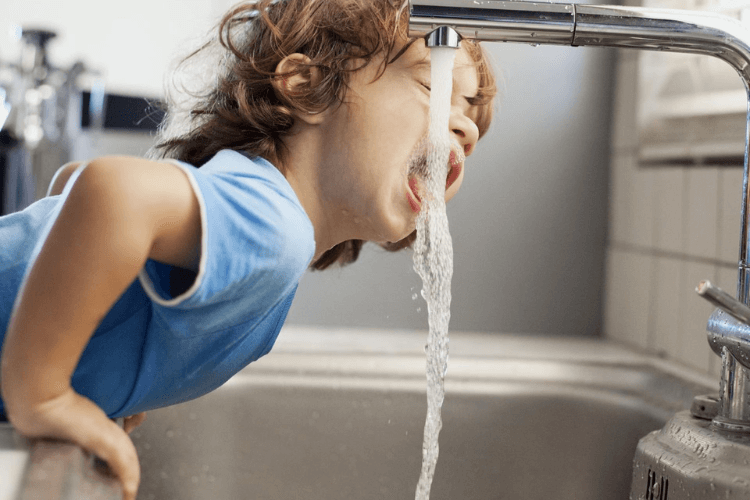
Thirst is a fundamental physiological sensation, often described as a feeling of dryness in the mouth and throat, accompanied by an intense desire to drink. It's the way our body tells us it needs water to keep its vital functions going.
Hydration, on the other hand, refers to giving our body the water it needs to function optimally. Water is essential to many physiological processes, such as regulating body temperature, transporting nutrients, eliminating waste and lubricating the joints. In fact, around 60% of an adult's body weight is water, which highlights just how crucial it is to stay well hydrated for optimal health.
HOW THE BODY REGULATES HYDRATION
- The thirst signals sent by the body: When our body starts to become slightly dehydrated, signals are sent to the brain to flag the need to hydrate. These signals are usually felt as a sensation of thirst, prompting us to seek out and drink fluids.
- The physiological mechanisms that regulate hydration: Once we've drunk fluids, several physiological mechanisms come into play to regulate hydration in our body:
- Intestinal absorption: The water we drink is absorbed in the small intestine and passes into the bloodstream, increasing blood volume and osmotic pressure.
- Water retention by the kidneys: The kidneys play a crucial role in regulating fluid balance by adjusting how much water is reabsorbed into the blood and how much is excreted in urine. Antidiuretic hormone (ADH) is released by the pituitary gland to tell the kidneys to conserve water when the body is dehydrated.
- Elimination of excess water: When we have enough water in our body, the kidneys adjust urine production to get rid of the excess water while retaining essential electrolytes.
THE RISKS OF DEHYDRATION
- The health consequences of dehydration: Dehydration can have harmful effects on our health in both the short and long term. Here are some of the possible consequences:
- Reduced physical and mental performance: Dehydration can lead to a drop in endurance, concentration and coordination, which can compromise both our physical and mental performance.
- Increased risk of illness: Insufficient hydration can increase the risk of developing health problems such as kidney stones, urinary tract infections, gastrointestinal disorders and cardiovascular disease.
- Impact on the skin and organs: The skin can become dry, dull and prone to irritation in cases of chronic dehydration. Vital organs such as the kidneys can also suffer from the lack of water they need to work properly.
- Groups at risk of dehydration: Some categories of people are more likely to suffer from dehydration than others:
- Children: Because they are smaller and lighter than adults, children have a lower total body water volume, which makes them more vulnerable to dehydration, especially if they are active or have illnesses such as diarrhea or fever.
- Older people: With age, the sensation of thirst often diminishes, which can lead to insufficient hydration. In addition, some medications commonly taken by older people can have diuretic effects, increasing the risk of dehydration.
- Athletes: Intense exercise increases water loss through sweat, which can quickly lead to dehydration if the water lost is not adequately replaced.
- People who are ill: Illnesses such as fever, diarrhea or vomiting cause significant losses of water and electrolytes, which can quickly lead to dehydration if not corrected.
It is therefore essential for these at-risk groups, and for everyone else too, to keep a close eye on their hydration levels and make sure they drink enough water throughout the day.
HYDRATION MYTHS AND FACTS
- Looking at common misconceptions about hydration and thirst:
- Myth: You should wait until you're thirsty to hydrate. Fact: Although thirst is an important signal of dehydration, it can sometimes come late. Relying solely on the sensation of thirst can lead to insufficient hydration, especially in situations where water losses are high, such as during intense exercise or in hot weather.
- Myth: Drinking lots of water is always better for your health. Fact: Drinking too much can also be a problem, as it dilutes the electrolytes in the blood, a condition known as hyponatremia. It's important to strike a balance by drinking enough to stay hydrated without overdoing it.
- Debunking false beliefs about the ideal time to hydrate:
- Myth: It's better to drink large amounts of water in one go. Fact: It's more effective to hydrate regularly throughout the day than to drink large amounts of water at once. This keeps your fluid balance at an optimal level without overloading the kidneys.
- Myth: Drinking energy drinks or sodas can make up for water loss. Fact: Energy drinks and sodas can contain high amounts of sugar, caffeine and other additives that may actually contribute to dehydration. Nothing beats pure water for rehydrating the body effectively.
By debunking these false beliefs, it becomes easier to understand how to stay well hydrated and to make informed decisions about how and when to hydrate.
HYDRATION NEEDS IN DIFFERENT SITUATIONS
- Climate: High temperatures, humidity and sun exposure increase water loss through sweat, which means you need to drink more to compensate.
- Physical activity: Intense exercise increases body heat production and sweating, which can lead to significant losses of water and electrolytes. People who exercise therefore need to drink more to maintain an optimal fluid balance.
- Health: Certain medical conditions such as fever, diarrhea or vomiting cause significant losses of water and electrolytes, which means you need to drink more to prevent dehydration.
- Age: Water needs vary with age. Infants, children and older people may have different hydration needs because of their size, weight and ability to regulate body temperature.
General hydration recommendations:
- For most healthy adults, it is recommended to drink around 8 glasses of water a day, which is roughly 2 litres. However, individual needs can vary depending on the factors mentioned above.
- During exercise, it is recommended to drink water before, during and after physical activity to stay hydrated and make up for the fluids lost through sweat.
- In the case of medical conditions or particular circumstances such as extreme heat, it's important to keep a close eye on your hydration levels and drink enough to compensate for the increased water loss.
WHY PREVENTIVE HYDRATION MATTERS
Preventive hydration means drinking water regularly throughout the day, even when you don't feel thirsty. This has several benefits:
- Preventing dehydration: By anticipating our body's water needs, we avoid the risk of dehydration, especially in conditions such as heat, intense exercise or illness.
- Keeping the body working properly: Adequate hydration supports the proper functioning of our body, including regulating body temperature, digestion, blood circulation and the elimination of toxins.
- Better physical and mental performance: Being well hydrated can boost endurance, concentration and alertness, which can improve both our physical and mental performance. To stay properly hydrated without feeling thirsty, it's recommended to drink water regularly throughout the day, keeping a bottle of water within reach and drinking even before you feel thirsty. It also helps to eat water-rich foods such as fruit and vegetables to top up your fluid intake.
HYDRATION AS A LIFESTYLE HABIT
Building good hydration into your daily life can be done with simple strategies such as keeping a bottle of water within reach, setting reminders to drink regularly, and choosing hydrating drinks over sodas or sugary drinks. Health education around hydration is essential to raise awareness of the benefits of staying properly hydrated and to help people make informed decisions about what they drink.
It's essential to understand that staying well hydrated is more than just a response to thirst. It's a fundamental lifestyle habit that helps keep our body functioning, improves our physical and mental performance, and prevents the health complications linked to dehydration.
That's why we encourage everyone to become aware of their own hydration needs and to adopt strategies for building proper hydration into their daily routine. By educating and raising awareness about the importance of hydration, we can all help promote better health and optimal well-being for everyone.



 10 Rue de la Paix 75002 PARIS


