 ⭐⭐⭐⭐⭐ 4.7/5 based on 300+ reviews ✅
 Free shipping from €35 or to a pickup point
 30-day money-back guarantee
The Hedonist Labs laboratory
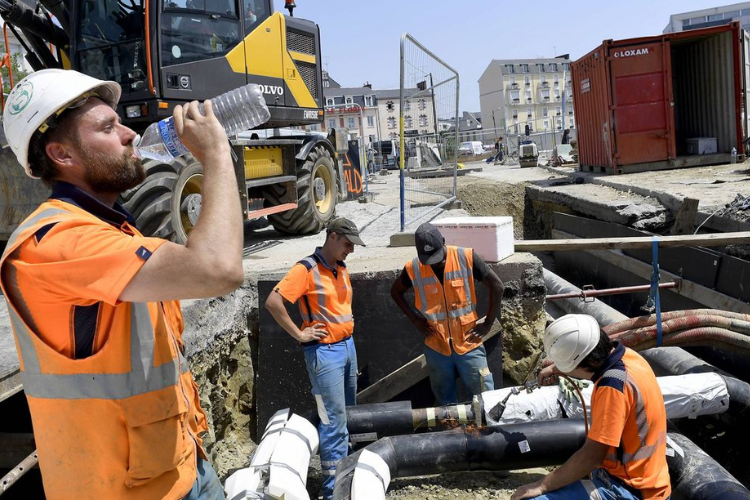
Strength, endurance, resilience: the qualities required of physical workers are numerous and crucial. Yet a fundamental aspect of their health and effectiveness at work is often neglected: hydration. While water is essential for preventing fatigue and accidents, its value is frequently underestimated in the very environments where it is most needed.
What risks does a lack of hydration really pose for physical workers, and how can they avoid them to improve their safety and performance?
Physical workers play an essential role in many sectors, providing the physical effort needed to keep various industries running smoothly. However, the importance of staying hydrated during these physical activities is often underestimated.
Adequate hydration is not only crucial for maintaining workers' health and well-being, but it can also have a significant impact on their safety and performance at work.
THE EFFECTS OF A LACK OF HYDRATION ON PHYSICAL PERFORMANCE:
- Impact on endurance and muscular strength: Dehydration reduces the muscles' ability to produce force and sustain prolonged endurance, which can compromise the overall performance of physical workers.
- Reduced ability to regulate body temperature: Insufficient hydration disrupts the body's ability to regulate its temperature, increasing the risk of overheating and heatstroke, especially in hot working environments.
- Reduced concentration and alertness: Dehydration can impair cognitive functions, leading to reduced concentration, alertness and reaction times, which can increase the risk of accidents and injuries in the workplace.
HEALTH RISKS ASSOCIATED WITH A LACK OF HYDRATION:
- Mild, moderate and severe dehydration: Mild dehydration shows up as a feeling of thirst and a drop in physical performance. Moderate dehydration can lead to headaches, increased fatigue and reduced alertness. Severe dehydration can lead to serious complications such as dizziness, electrolyte imbalances and even circulatory collapse.
- Risk of injuries and accidents: Dehydration can increase the risk of musculoskeletal injuries by weakening the muscles and reducing concentration. In addition, impaired cognitive function increases the likelihood of accidents in the workplace.
- Long-term health effects: Chronic dehydration can contribute to the development of kidney disease by compromising kidney function and promoting the formation of kidney stones. In addition, chronic dehydration can increase the risk of cardiovascular disease by disrupting blood pressure and circulation.
RISK FACTORS AND WORKING CONDITIONS:
- Environmental conditions: High temperatures and humidity can increase sweat rate, which accelerates the loss of bodily fluids. Workers exposed to hot, humid environments are therefore more likely to suffer from dehydration.
- Nature of the work: Physically demanding, prolonged tasks carried out in difficult conditions increase hydration needs. Workers performing intense or continuous physical work are at higher risk of dehydration, as they lose fluids quickly through sweating.
- Exposure to other stress factors: Working in hot environments, performing tasks at height, or being subject to increased emotional stress can worsen dehydration by accelerating the loss of bodily fluids and increasing hydration needs.
STRATEGIES FOR PREVENTING DEHYDRATION AND OPTIMISING HYDRATION:
- Educating and raising awareness among workers: Providing workers with information about the importance of hydration, the signs of dehydration and best practices for staying hydrated can help them become aware of their own hydration status and act accordingly.
- Implementing workplace hydration policies: Developing policies that encourage workers to drink water regularly and to have access to readily available hydration sources in the workplace, such as water fountains or bottle refill stations.
- Encouraging regular consumption of water and suitable drinks: Encouraging workers to drink water throughout the day, as well as electrolyte drinks during intense physical exertion, to replace the electrolytes lost through sweating.
- Implementing breaks and rest periods to allow for rehydration: Scheduling regular breaks during which workers can rest, cool down and rehydrate is essential for preventing dehydration and maintaining performance at work.
CASE STUDIES AND CONCRETE EXAMPLES:
- Examples of companies that have implemented effective hydration initiatives: Companies such as Amazon and UPS have put proactive hydration policies in place by providing drinking water stations at regular intervals in their warehouses and encouraging employees to take breaks to rehydrate.
- Worker testimonials on their experience with managing hydration at work: Workers in sectors such as construction and logistics often share positive experiences after hydration policies are implemented in their workplace. They report a better sense of well-being, reduced fatigue and an improved ability to maintain their performance throughout the day.
- Comparing policies and practices across different sectors: Hydration practices vary from sector to sector. For example, construction workers may have access to drinking water tanks on site, while office workers may be encouraged to use reusable water bottles and take regular breaks to drink. Awareness and enforcement of hydration policies also vary depending on organisational culture and local regulations.
In summary, our laboratory wanted to highlight the crucial importance of hydration for physical workers, as well as the serious risks a lack of hydration poses to their health, safety and performance at work. We have examined the harmful effects of dehydration on physical performance, the health risks, the risk factors and working conditions, and strategies for preventing dehydration and optimising hydration.
It is essential that employers, workplace health and safety officers, and workers themselves become aware of these risks and implement concrete actions to prevent them. This could include workplace hydration policies, awareness and education programmes, as well as initiatives to facilitate access to drinking water and encourage regular water consumption.





 10 Rue de la Paix 75002 PARIS


