 ⭐⭐⭐⭐⭐ 4.7/5 based on 300+ reviews ✅
 Free shipping from €35 or to a pickup point
 30-day money-back guarantee
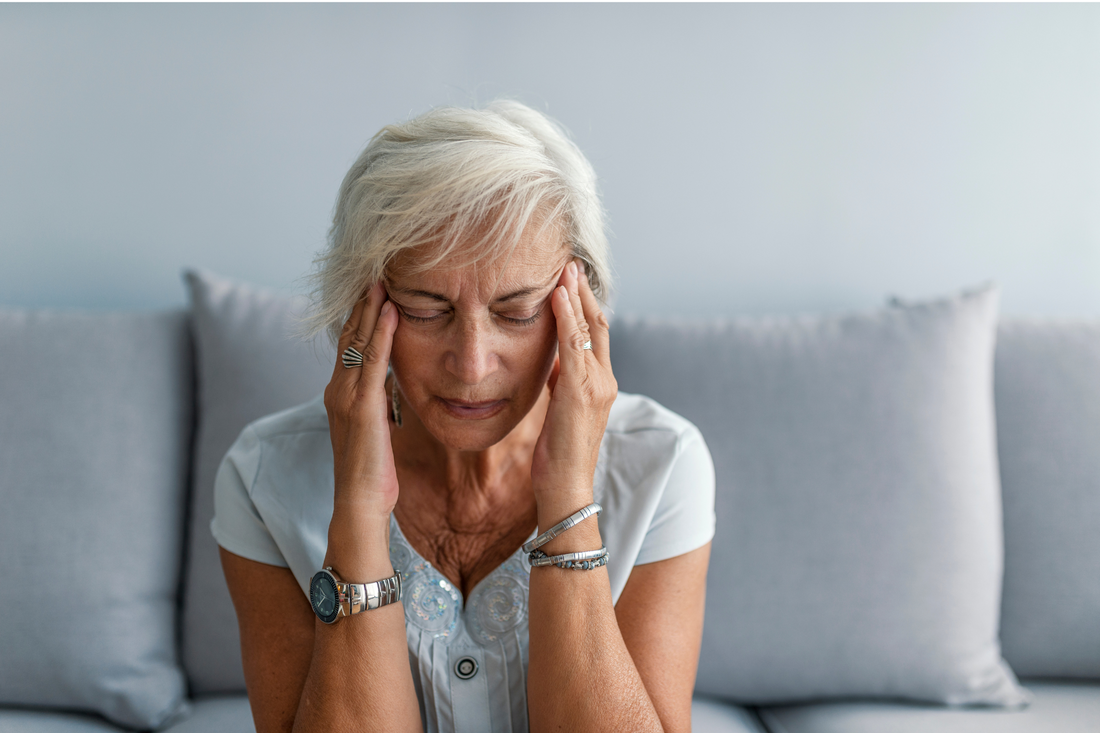
- - fatigue
- - back and neck pain
- - headaches.
- - hypersensitivity to noise and light
- - a feeling of intense thirst
What's more, through its diuretic effect linked to the inhibition of antidiuretic hormone secretion, alcohol draws even more on our body's water reserves.
Restoring water and mineral metabolism is essential.
Don't wait until you're thirsty, because by then it will be too late.
Electrolytes
The body has a wide variety of electrolytes: sodium, potassium, calcium, bicarbonate, magnesium, chloride and phosphate. Each electrolyte serves a purpose: sodium, for example, helps to regulate the movement of water in the body, among other things.
Drinking alcohol causes an imbalance of these electrolytes. They are in fact mobilised to eliminate the toxic metabolites of ethanol. What has been used up must be replenished to restore a vital fluid balance.
Acute alcohol intoxication is a common reason for admission to hospital emergency departments. To best assess the patient's needs, a blood test identifies which electrolytes have been affected. Excessive water loss is what disrupts the blood results, because our electrolytes are excreted in the urine.[2,3]
In this respect, it has been observed that when alcohol is consumed, magnesium levels in the blood tend to rise.
So oral rehydration seems to be essential in managing this hyperosmolar dehydration. The electrolyte concentration must follow the recommendations for pathological dehydration.
Alternating each alcoholic drink with a glass of water and drinking fluids regularly helps limit dehydration, one of the causes of headaches.
[1]Irwin C, Leveritt M, Shum D, Desbrow B. The effects of dehydration, moderate alcohol consumption, and rehydration on cognitive functions. Alcohol. 2013 May;47(3):203-13. doi: 10.1016/j.alcohol.2012.12.016. Epub 2013 Jan 23. PMID: 23352231.
[2] Joannidis M, Cantley L (2000) Kidney and electrolyte disturbances, chap 19. In: Zernig G, Saria A, Kurz M, O’Malley SS (eds) Handbook of alcoholism. Boca Raton, Fla, CRC Press, pp 209–224.
[3] Ragland G (1990) Electrolyte abnormalities in the alcoholic patient. Emerg Med Clin North Am 8: 761–773




 10 Rue de la Paix 75002 PARIS


