 ⭐⭐⭐⭐⭐ 4.7/5 based on 300+ reviews ✅
 Free shipping from €35 or to a pickup point
 30-day money-back guarantee
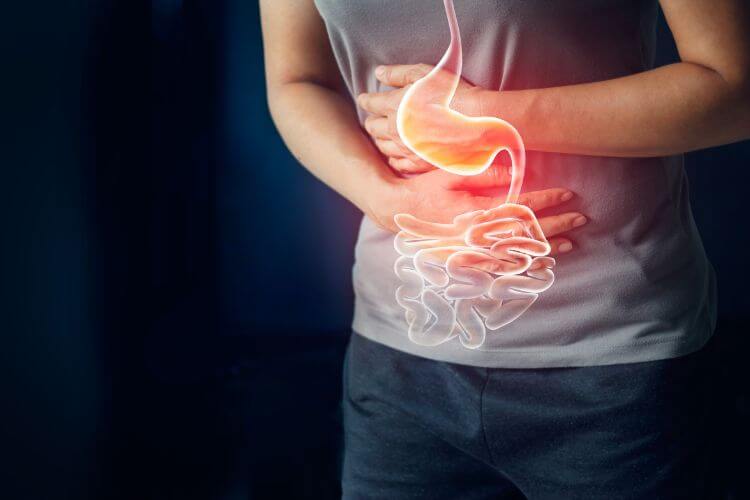
We sometimes get a stomach ache after drinking alcohol,
but why? Alcohol irritates the lining of the stomach and stimulates acid secretion, which can lead to nausea and stomach upsets, or even diarrhea. Symptoms very similar to gastroenteritis!
The similarities between gastroenteritis and a hangover
When you drink alcohol, it travels to your stomach. If there's food in your stomach, the alcohol is absorbed along with the nutrients from your meal by the cells of the stomach wall. This slows down the digestion of the alcohol.
If you haven't eaten, the alcohol carries on travelling to your small intestine, where it also passes through the cells of the intestinal wall, but much faster. This explains why you feel tipsy more strongly, and more quickly, when you drink on an empty stomach.
Scientists have found that drinking small amounts of alcohol speeds up the pace of digestion, which leads to the following symptoms, similar to gastroenteritis:
- Diarrhea,
- Abdominal cramps;
- Nausea;
- Dehydration
- Vomiting.
In principle, gastroenteritis is the result of an infection, but it can also be caused by ingesting toxins.
As you'll have gathered, a stomach ache can simply be the result of the night before, while at other times it may be gastroenteritis.
How to avoid diarrhea caused by alcohol
- If you suffer from diarrhea during or after drinking alcohol, the first thing to do is to stop drinking until your digestion returns to normal. If you start drinking again, be aware that the diarrhea may come back.
- Eat easily digestible foods to soothe your stomach.
- Drink plenty of clear fluids, such as water, broth and juice, to make up for the fluid lost through diarrhea.
- Avoid the following foods:
- High-fibre foods
- Dairy products
- High-fat foods
- Very spicy or heavily seasoned foods




 10 Rue de la Paix 75002 PARIS


