 ⭐⭐⭐⭐⭐ 4.7/5 based on 300+ reviews ✅
 Free shipping from €35 or to a pickup point
 30-day money-back guarantee
The Hedonist Labs lab
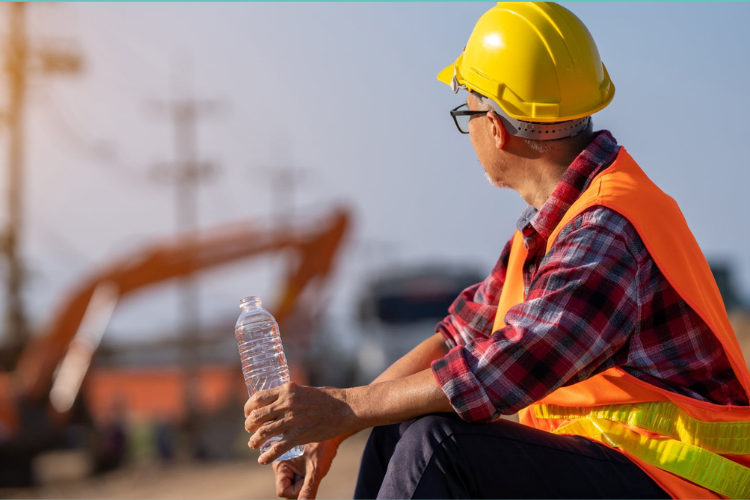
Building buildings and roads takes not just skill, but also outstanding physical stamina. In the construction industry, where conditions can be particularly demanding, a seemingly minor detail like hydration can become a major issue. While safety is a priority, it's vital to recognise and manage the risks of dehydration to protect workers' wellbeing and performance.
How does dehydration affect the safety and efficiency of construction workers, and what strategies can be put in place to prevent it?
The construction industry is known for its dynamism and its vital role in developing infrastructure.
However, this sector is also associated with working conditions that are often demanding and sometimes dangerous. Workplace safety is therefore of critical importance in construction, where the risks are numerous and varied.
Let's take a closer look at an essential aspect of workplace safety in construction: the risks linked to insufficient hydration. While it might seem like a minor issue, dehydration can have serious consequences for the health of construction workers and for site safety. With that in mind, we'll look at the different aspects of this problem and the steps to take to prevent it effectively.
DEFINING HYDRATION AND WHY IT MATTERS
Hydration is an essential process for the human body to function properly. It involves supplying and maintaining an adequate level of water in the body. Water is essential for many biological functions, such as regulating body temperature, transporting nutrients and eliminating waste.
The body's water needs vary depending on several factors, including age, weight, physical activity level and environmental conditions. In general, a healthy adult should drink around 1.5 to 2 litres of water a day to maintain adequate hydration. However, in hot environments or during intense physical activity, these needs can increase considerably.
Dehydration, meaning a lack of water in the body, can have serious consequences for health and work performance. Symptoms of dehydration include thirst, fatigue, headaches, dizziness, muscle cramps and confusion. In the most severe cases, dehydration can lead to heat exhaustion, heatstroke, and even damage to vital organs or death.
In addition, insufficient hydration can affect concentration, alertness and coordination, increasing the risk of accidents on construction sites.
CONSTRUCTION SITES AND THEIR SPECIFIC RISKS
In construction, working conditions are often demanding and can expose workers to a higher risk of dehydration. Sites are often outdoors, exposed to the weather, with high temperatures during the summer months. In addition, physically demanding tasks, such as manual labour, carrying heavy loads and handling tools and machinery, increase the body's need for water.
A lack of hydration in this context can lead to reduced physical and cognitive performance, increasing the risk of accidents on site. Dehydrated workers are more likely to make mistakes, lose concentration and react more slowly to emergencies.
While specific statistics on accidents caused by dehydration in construction can vary, several studies have highlighted the significant impact of this issue on workplace safety. Surveys have shown that dehydration was a contributing factor in numerous accidents and incidents on site, underlining just how crucial it is to maintain adequate hydration to prevent occupational hazards in the construction industry.
AGGRAVATING FACTORS AND AWARENESS
Insufficient hydration on site is made worse by environmental conditions such as high temperatures, humidity and prolonged sun exposure. These factors increase fluid loss through sweating, further accelerating the risk of dehydration among construction workers.
It's crucial to raise awareness among both workers and employers about the risks associated with dehydration. Training on recognising the symptoms of dehydration and preventive measures is essential to promoting a culture of workplace safety.
To maintain adequate hydration on site, workers are advised to drink water regularly throughout the day, even if they don't feel thirsty, and to avoid drinks containing caffeine or alcohol, which can make dehydration worse.
It's also important to wear light, breathable clothing, take regular breaks in the shade and provide cool, well-ventilated rest areas on site. Employers also have a crucial role to play by providing easy access to drinking water on site and encouraging a culture that values workers' health and safety.
REGULATIONS AND RESPONSIBILITIES
When it comes to preventing occupational hazards, construction employers are subject to various legal obligations designed to guarantee the safety and health of their workers, including preventing risks linked to dehydration. Under current legislation, employers must:
- Put in place prevention measures suited to the specific conditions of each site, particularly regarding the prevention of heat- and dehydration-related risks.
- Provide easy access to drinking water and encourage workers to drink regularly.
- Provide adequate training on the risks of dehydration and the preventive measures to take.
Employers are responsible for creating a safe working environment and ensuring that workers have the resources they need to stay adequately hydrated throughout the day. Workers, for their part, are responsible for following established safety guidelines, reporting any heat- or dehydration-related health issue, and taking steps to protect themselves, such as drinking enough water and wearing suitable clothing.
Many construction companies have put measures in place to ensure their employees stay well hydrated. This can include providing water fountains on site, handing out reusable water bottles, scheduling regular breaks in the shade and ongoing awareness campaigns about the risks of dehydration. Some companies have also developed specific training programmes to raise workers' awareness of the risks linked to heat and dehydration, as well as the preventive measures to adopt.
CASE STUDIES AND TESTIMONIALS
Case studies have highlighted the serious consequences of insufficient hydration in the construction industry, including cases of heat exhaustion, heatstroke and workplace accidents caused by reduced performance due to dehydration.
Construction workers have also shared their personal experiences of dehydration in the workplace, highlighting symptoms such as fatigue, headaches and dizziness, as well as the challenges of staying adequately hydrated during long working days on site.
These accounts highlight how crucial it is for employers to take preventive measures to ensure good hydration among workers, such as providing drinking water on site, raising awareness of the risks of dehydration and encouraging regular breaks in the shade. Best practices also include training workers to recognise the symptoms of dehydration and know what steps to take if there's a problem, as well as setting up a health monitoring system to quickly detect and treat cases of dehydration.
It's essential for employers, workers and public authorities to work together to prevent the risks linked to insufficient hydration on construction sites. This requires putting in place preventive measures such as raising awareness of the risks of dehydration, providing drinking water on site, training workers in good hydration practices and monitoring workers' health to detect and quickly treat cases of dehydration.





 10 Rue de la Paix 75002 PARIS


