 ⭐⭐⭐⭐⭐ 4.7/5 based on 300+ reviews ✅
 Free shipping from €35 or to a pickup point
 30-day money-back guarantee
The Hedonist Labs team
It may not be glamorous, but we can learn a lot about our hydration status by observing… the color of our urine! What exactly?
Have you ever looked at the color of your urine and noticed that it can vary from day to day?
In our ongoing quest to look after our health, it's easy to overlook a fundamental aspect of our well-being: hydration.
The state of our urine may seem like a trivial indicator at first glance, but it can actually provide crucial information about our hydration level and, by extension, about our general health.
Hydration is much more than simply drinking water. It's a vital process through which our body maintains an adequate fluid balance to keep its various systems and organs working properly.
Keeping an eye on your hydration status is essential to maintaining optimal health. Insufficient hydration can lead to dehydration, characterized by reduced physical performance, cognitive impairment, headaches and even serious medical complications. Conversely, excessive hydration can also pose health risks, such as electrolyte dilution and hyponatremia.
This is where urine color comes into play. By paying close attention to the shade of our urine, we can pick up valuable clues about our hydration status and adjust our fluid intake accordingly.
The factors that influence urine color
Urine color can be influenced by several factors, including the concentration of waste products, the presence of pigments and various external substances. The normal shade of urine generally ranges from straw yellow to dark yellow, but it can be altered by a number of things.
Certain foods, such as beetroot, carrots and asparagus, as well as certain medicines, such as B vitamins and treatments for urinary tract infections, can give urine different shades. What's more, dehydration can concentrate the waste products in urine, giving it a darker color, while adequate hydration can dilute the urine, making it lighter.
Understanding these factors is essential to interpreting urine color correctly and accurately assessing our hydration status.
What the different urine colors mean
Observing the color of urine can give us valuable insights into our hydration status and the general health of our body. Here's a breakdown of the different shades of urine and what they can reveal:
- Clear to pale yellow urine: Clear to pale yellow urine is generally a sign of adequate hydration. It indicates that the body is well hydrated and that waste products are sufficiently diluted in the urine.
- Bright yellow to dark yellow: Bright yellow to dark yellow urine can signal a higher concentration of waste products in the urine. This may be due to mild dehydration, where the body tries to conserve water by concentrating waste. In some cases, it can also be caused by eating certain foods or taking certain medicines.
- Orange to dark brown urine: Orange to dark brown urine can indicate severe dehydration or a very high concentration of waste products in the urine. It can also be the result of the presence of certain substances, such as bile pigments or medicines.
- Pink to reddish urine: Pink to reddish urine can be the result of blood in the urine, which may indicate various health problems, such as urinary tract infections, kidney stones or prostate disorders in men. In some cases, eating certain foods, such as beetroot, can also give urine a reddish tinge without any blood being present.
When it comes to shades of yellow, the darker the urine, the more it may indicate a higher concentration of waste products and possible dehydration. Conversely, lighter or pale yellow urine is often associated with adequate hydration.
- It's important to note that these observations about urine color are general indicators, and that other symptoms or factors may also need to be taken into account to assess a person's overall health. If you have any concerns about the color of your urine or your hydration status, it's always advisable to consult a healthcare professional.
How to monitor our hydration

Several methods can be used to assess our hydration status, each with its own advantages and limitations:
- Observing urine color: As discussed above, urine color can give an indication of hydration status. This method is simple and inexpensive, but it can be influenced by other factors such as diet or medication.
- Measuring urinary frequency: An increase in urinary frequency can indicate adequate hydration, as the body is regularly eliminating waste. However, this method may be less reliable because urinary frequency can be affected by other factors such as caffeine or alcohol consumption.
- Weighing yourself before and after exercise: For athletes and people doing intense physical activity, weighing yourself before and after exercise can help estimate fluid loss through sweat. However, this method may not be practical for everyday use.
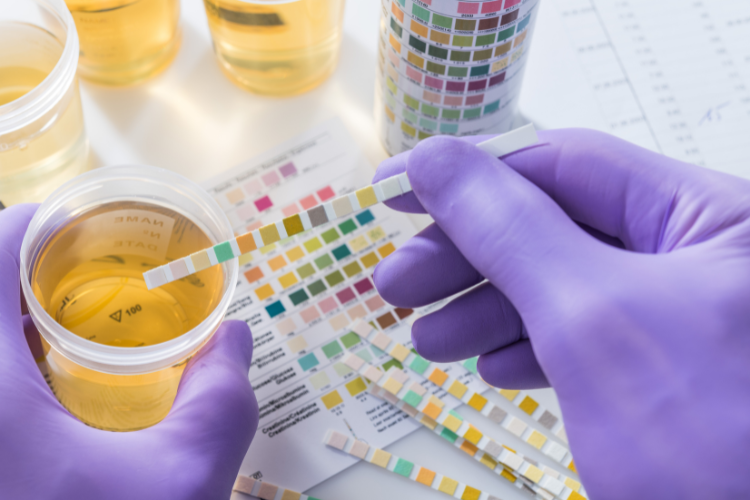
- Measuring urine concentration: Measuring urine concentration with a refractometer or test strips can provide a quantitative assessment of hydration. However, this method requires specific equipment and may be less practical for everyday use.
How to maintain optimal hydration
- Drink enough water: It's recommended to drink around 8 glasses of water a day, but individual needs can vary depending on age, weight, activity level and environmental conditions.
- Establish a water-drinking routine: Try to drink small amounts of water throughout the day rather than large quantities in one go. Keeping a bottle of water within reach can remind you to stay hydrated.
- Eat water-rich foods: Fresh fruit and vegetables, such as cucumber, watermelon, lettuce and oranges, are not only rich in nutrients, they also contain a large amount of water, which can contribute to your daily fluid intake.
- Avoid dehydrating drinks: Limit your intake of drinks containing caffeine, alcohol or a lot of sugar, as they can have a diuretic effect and increase the risk of dehydration.
- Watch for signs of dehydration: Look out for signs such as a dry mouth, feeling thirsty, tiredness, headaches and urinating less often, and respond by drinking more water.
In short, by keeping a close eye on the color of our urine and taking appropriate steps, such as drinking enough water and adjusting our intake to our needs, we can maintain optimal hydration and support the proper functioning of our body.
At the end of the day, health starts with small daily actions, and checking the color of your urine can be a simple yet effective way of looking after yourself.



 10 Rue de la Paix 75002 PARIS


