 ⭐⭐⭐⭐⭐ 4.7/5 based on 300+ reviews ✅
 Free shipping from €35 or to a pickup point
 30-day money-back guarantee
The Hedonistlabs laboratories
Picture yourself at a lively party, the music is pumping, and laughter fills the air. You're having a great time, sipping your favourite drinks, celebrating life. Fast forward to the next morning, and the scene is completely different. You wake up with a pounding headache, feeling dehydrated and queasy. Sound familiar? It's the all-too-common consequence of a night of indulgence, commonly known as a hangover.
Understanding hangovers and their gastrointestinal effects
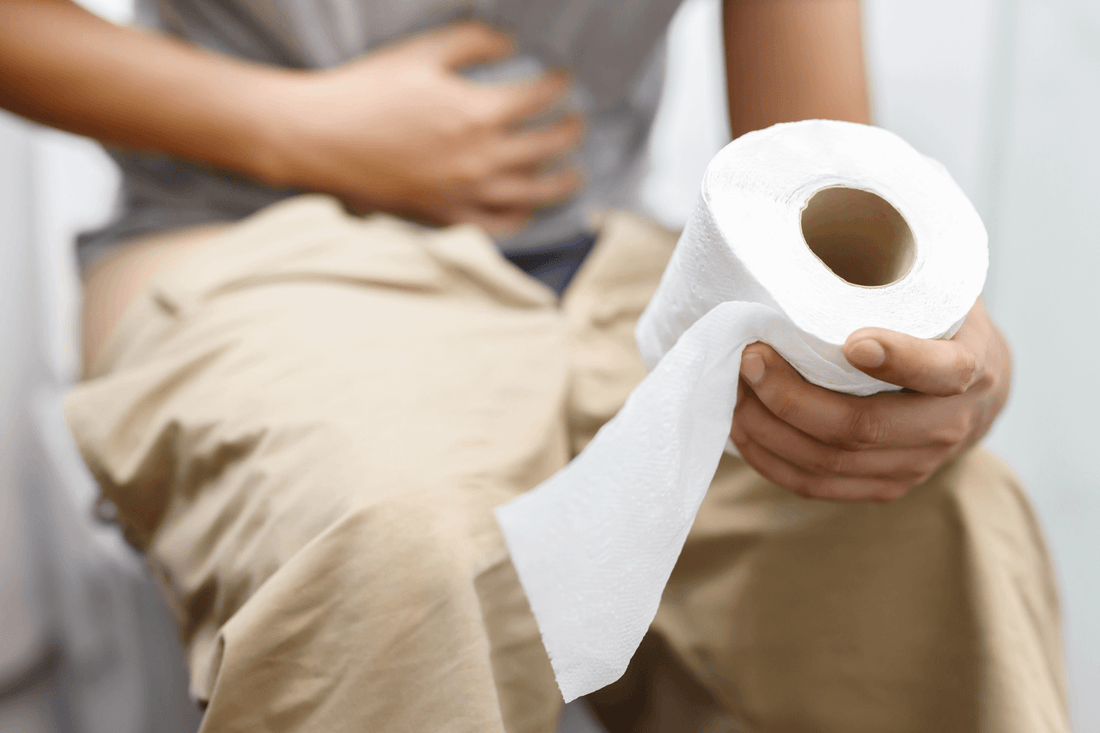
A hangover often comes with various symptoms such as headaches, fatigue and dehydration, along with a change in mood. However, a less-discussed but common symptom is diarrhoea.
Research shows that around 20% of people with a hangover experience diarrhoea. Alcohol can irritate the gastrointestinal tract, leading to increased motility and impaired digestion.
Alcohol's Impact on the Digestive System:
According to a study published in the 'Journal of Gastroenterology', alcohol can disrupt the intestinal barrier, allowing bacteria and toxins to enter the bloodstream. This can lead to inflammation and diarrhoea.*
Dehydration and Electrolyte Imbalance:
Alcohol is a diuretic, which increases urination and leads to dehydration. This imbalance affects the gastrointestinal system, often resulting in diarrhoea (Source: 'Annals of Internal Medicine').
Moderation is the key to drinking alcohol. If you have diarrhoea the morning after a heavy night, remember to drink water regularly to make up for the fluid you've lost, and to eat lightly. If symptoms persist, ask your doctor or pharmacist for advice.





 10 Rue de la Paix 75002 PARIS


