 ⭐⭐⭐⭐⭐ 4.7/5 based on over 300 reviews ✅
 Free shipping on orders of €35 or more, or to a package pickup location
 30-Day Money-Back Guarantee
The Hedonist Labs Team
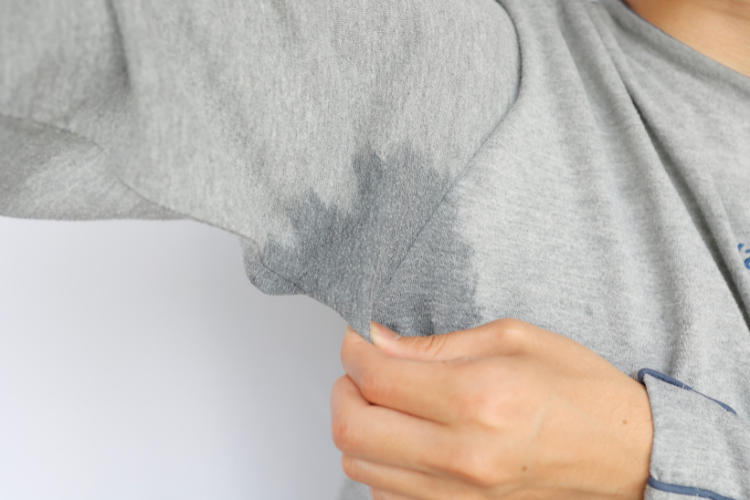
It might not smell very good, but do we actually know what's in it? Our sweat reveals a lot about us!
Is sweat fascinating? Its composition can certainly tell us a lot.
As is well known, this clear liquid is secreted by the skin's sweat glands. Its main function is to regulate body temperature by evaporating on the skin's surface, thereby cooling the body when it is hot or when physical activity increases.
In addition to regulating body temperature, sweat also flushes toxins out of the body and helps keep the skin moisturized.
Sweat consists mainly of water (about 99%), mineral salts such as sodium, potassium, calcium, and magnesium, as well as small amounts of other compounds such as urea, ammonia, and amino acids.
The chemical composition of sweat can vary depending on various factors. In hot weather, for example, the body produces more sweat to regulate body temperature, which leads to a higher concentration of mineral salts in the sweat. Similarly, during intense physical activity, sweat contains more mineral salts and other compounds because the body generates more heat.
Health status can also influence the composition of sweat. Certain diseases, for example, can alter the concentration of specific compounds in sweat, which can sometimes be detected through specialized medical tests.
WATER IN THE SWEAT
Water plays a crucial role in regulating body temperature through sweat. When the body begins to overheat—usually due to ambient heat or physical exertion—the sweat glands release sweat onto the skin’s surface. This sweat then evaporates, absorbing heat from the body in the form of thermal energy, thereby cooling the skin and, consequently, the body.
During physical activity, the body generally produces more heat because muscle metabolism increases. To compensate for this extra heat and maintain a stable body temperature, the sweat glands release more sweat.
The amount of water lost through sweat during physical activity depends on factors such as exercise intensity, ambient temperature, the body's prior hydration status, and the individual's fitness level.
In general, a person can lose between 0.5 and 2 liters of water per hour through sweating during physical activity—and even more under extreme conditions. That is why it is important to stay hydrated and drink enough water before, during, and after exercise to replace the fluids lost through sweat and prevent dehydration.
MINERAL SALTS (ELECTROLYTES) IN SWEAT
The mineral salts found in sweat include, in particular, sodium, potassium, chloride, calcium, and magnesium.
These electrolytes play a vital role in maintaining the body's electrolyte balance and hydration. They help regulate the transport of fluids and nutrients across cell membranes, contribute to muscle contraction and nerve conduction, and help maintain the body's acid-base balance.
In addition, they play a role in regulating osmotic pressure and blood volume, which is crucial for the proper functioning of the body's organs and systems.
Sweat also contains other components, such as organic acids, amino acids, and urea. These substances perform various functions in the human body. Organic acids can help maintain the body’s acid-base balance, while amino acids are the building blocks of proteins, which are essential for growth, tissue repair, and many biological functions.
Urea, on the other hand, is a nitrogen-containing waste product of protein metabolism, and its excretion through sweat helps remove waste products from the body. The presence of these components in sweat thus helps maintain homeostasis and eliminate metabolic waste from the body.
Good to know: The composition of sweat can be influenced by several factors:
- Physical Activity and Exercise Intensity: As physical activity increases, the body produces more heat, which leads to increased sweat production to regulate body temperature. Exercise intensity can also affect the amount of mineral salts and other compounds excreted through sweat.
- Ambient Temperature and Humidity: In extreme heat and high humidity, the body sweats more to cool itself, which can lead to greater loss of fluids and minerals through sweat.
- Health Status: Certain medical conditions can affect the composition of sweat. Metabolic or hormonal disorders, for example, can alter the concentration of individual components in sweat. In addition, skin conditions such as eczema can affect sweat production.
- Nutrition: Eating habits can influence the chemical composition of sweat. For example, a high-sodium diet can increase the sodium concentration in sweat.
- Genetic Factors: Genetic differences can also play a role in the composition of sweat. Some people have sweat glands that are more or less active, which can influence the amount and composition of the sweat produced.
How do you analyze the composition of our sweat?
Techniques for analyzing sweat composition typically involve collecting sweat samples using special devices such as patches or sensors, as well as laboratory methods for analyzing sweat components. Sweat samples can be collected from the skin using special patches that absorb sweat during physical activity, or using devices that stimulate sweating.
Methods for analyzing sweat samples include chemical techniques such as chromatography and mass spectrometry, which are used to identify and quantify the various components of sweat, as well as biochemical techniques for measuring the concentration of specific biological markers.
When it comes to new technologies, there is growing interest in the development of wearable sensors and microfluidic devices that can monitor sweat composition in real time. These technologies enable continuous, noninvasive monitoring of health and physical performance and could find important applications in healthcare, sports, and personalized medicine.
The composition of sweat can have several medical and technological applications:
- Medical Diagnostics: The composition of sweat can be used to detect electrolyte imbalances, metabolic disorders, skin conditions, and other diseases. Abnormal electrolyte levels in sweat can, for example, indicate conditions such as cystic fibrosis or hyponatremia.
- Health Monitoring and Athletic Performance: Sweat monitoring devices are being developed to continuously and noninvasively track health and athletic performance. These devices can measure the concentration of sweat components—such as electrolytes, organic acids, and biomarkers—in real time to assess hydration, electrolyte balance, physical performance, and stress levels.
In short: Even though sweat is often perceived as a simple physiological reaction, it reveals a fascinating complexity. Its diverse composition, which is influenced by a wide range of factors, provides valuable information about human health and the functioning of the human body.
As technology advances, the possibilities for understanding sweat and using it to improve health and performance are becoming increasingly promising. Whether for diagnosing diseases, optimizing training plans, or monitoring health in real time, sweat offers remarkable potential.
As we continue to explore the intricacies of this bodily fluid, it becomes clear that sweat is far more than just a simple drop of perspiration: rather, it opens up enormous possibilities in medicine, sports, and human well-being. Further research into it promises exciting discoveries and advances that could transform our understanding of health and the human body.





 10 Rue de la Paix 75002 PARIS


