 ⭐⭐⭐⭐⭐ 4.7/5 based on over 300 reviews ✅
 Free shipping on orders of €35 or more, or to a package pickup location
 30-Day Money-Back Guarantee
The Hedonistlabs Lab
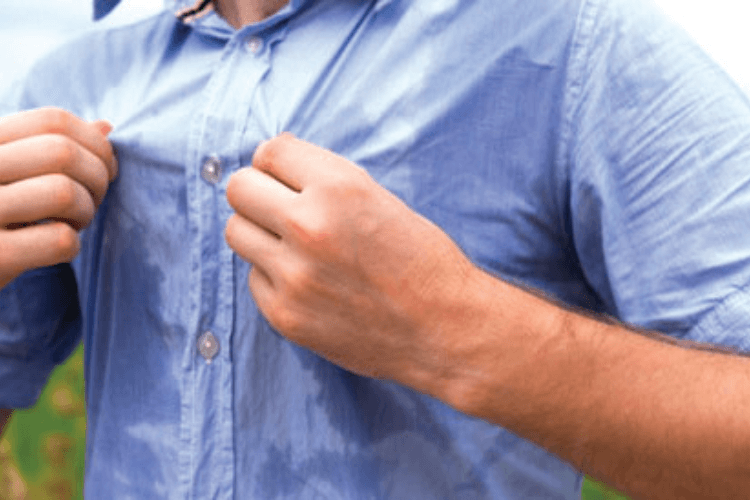
Sweating is much more than a simple reaction to heat: it is a vital function that helps our bodies maintain a stable temperature and eliminate toxins. But what exactly triggers this process?
What specific stimuli activate the sweat glands, and how does this activation play a crucial role in regulating our health and well-being?
OUTER ATTRACTIONS
External stimuli play an important role in triggering sweating.
Ambient temperature: When the ambient temperature rises, the body responds by producing sweat to release excess heat. This keeps the body temperature at an optimal level.
- Humidity: Humidity affects how well sweat can cool the body. When humidity is high, sweat evaporates more slowly, which makes the cooling process more difficult.
- Sunlight: Direct sunlight can raise body temperature, which stimulates sweating. In addition, the sun’s ultraviolet (UV) rays can also trigger a sweating response.
- Physical Activity: During physical activity, working muscles generate heat, causing body temperature to rise. Sweating is then triggered to cool the body during exercise.
These external stimuli interact in complex ways to regulate sweating and maintain the body's thermal homeostasis.
THE INNER CHARM
Internal stimuli are also important triggers of sweating. For example:
- Emotions: Emotions such as stress, anxiety, and nervousness can trigger sweating. The autonomic nervous system responds to these emotions by activating the sweat glands, which leads to increased sweating.
- Medical Conditions: Certain medical conditions can cause excessive sweating. Fever, for example—the body’s response to an infection—can lead to increased sweating as a way to regulate body temperature. Similarly, hyperthyroidism, which is characterized by overactive thyroid function, can cause excessive sweating.
- Medications: Some medications cause sweating as a side effect. Antidepressants, stimulants, and certain medications used to treat neurological disorders can affect the nervous system and lead to excessive sweating in some people.
PHYSIOLOGICAL MECHANISMS OF SWEATING
The physiological mechanisms of sweating involve several complex processes that regulate sweat production and help maintain the body's thermal homeostasis. The most important aspects of these mechanisms are:
- The Role of Sweat Glands: Sweat glands are responsible for sweat production. There are two types of sweat glands: eccrine glands, which are distributed across most of the body, and apocrine glands, which are primarily located in the underarm and genital regions. The eccrine glands play a crucial role in thermoregulation by releasing sweat onto the skin’s surface, where it evaporates and cools the body.
- Nervous Control of Sweating: Sweating is regulated by the autonomic nervous system, which consists of two branches: the sympathetic and parasympathetic nervous systems. The sympathetic nervous system is primarily responsible for stimulating the sweat glands. When the body perceives stimuli such as a rise in body temperature or emotions, the sympathetic nervous system sends signals to the sweat glands to trigger sweat production.
- The Process of Temperature Regulation: Sweating plays a key role in regulating body temperature. When body temperature rises—whether due to physical activity, high outdoor temperatures, or other stimuli—sweating helps dissipate excess heat as sweat evaporates from the skin’s surface. This evaporation process draws heat away from the body, which helps lower body temperature and prevent overheating.
Together, these physiological mechanisms ensure an appropriate thermal balance in the body, thereby maintaining optimal conditions for the body's various functions.
EFFECTS OF SWEATING ON THE BODY
Sweating has a significant impact on the human body and plays a vital role in maintaining homeostasis and overall health. Here are some of the most important effects of sweating on the body:
- Loss of Water and Electrolytes: When you sweat, you lose water and electrolytes such as sodium, potassium, and chloride. This loss can be significant during intense physical activity or in extreme heat. It is important to replenish these by drinking enough water and consuming electrolytes to maintain the body’s fluid and electrolyte balance.
- Lowering Body Temperature: One of the main functions of sweating is to help regulate body temperature. When sweat evaporates from the skin’s surface, it draws heat away from the body, thereby helping to lower body temperature and prevent overheating. This process is crucial for preventing complications caused by an excessive rise in body temperature, such as dehydration, heatstroke, and other serious health problems.
- Importance for the Elimination of Toxins: Sweating also plays a role in the elimination of toxins from the body. In addition to water and electrolytes, sweat also contains small amounts of toxic substances such as heavy metals and chemicals. In this way, sweating helps detoxify the body by eliminating these potentially harmful substances through the skin.
Sweating is a vital physiological process that helps maintain the body’s homeostasis by regulating temperature, eliminating waste products, and keeping fluid and electrolyte balance in check. Its effects on the body demonstrate how important it is to care for skin health and maintain a balanced fluid balance in order to support these vital functions.
EXCESSIVE SWEATING (HYPERHIDROSIS)
Excessive sweating, also known as hyperhidrosis, is a condition characterized by unusually high sweat production that exceeds the body’s needs for temperature regulation. Here are some key points about hyperhidrosis:
- Causes and Risk Factors: Hyperhidrosis can be primary—meaning it occurs without any identifiable underlying cause—or secondary, when it is associated with conditions such as hyperthyroidism, diabetes, obesity, or neurological disorders. Genetic factors may also play a role in the development of hyperhidrosis.
- Impact on Daily Life: Hyperhidrosis can significantly impair the quality of life for those affected. Symptoms may include sweaty hands, soaked armpits, and excessively sweaty feet, which can lead to social anxiety, self-esteem issues, and difficulties in social and professional settings. In addition, constant moisture can promote the development of fungal and bacterial skin infections.
- Treatment Options: There are several treatment options for hyperhidrosis, including:
- Antiperspirants: Antiperspirants containing ingredients such as aluminum chloride can effectively reduce sweat production. They are often used as the first line of treatment for mild to moderate hyperhidrosis.
- Drug Therapy: Medications such as anticholinergics may be prescribed to block the nerve signals that trigger sweating. However, these medications can have unwanted side effects and are not suitable for everyone.
- Iontophoresis: This treatment uses a weak electrical current to temporarily block the activity of the sweat glands. It is often used to treat hyperhidrosis of the hands and feet.
- Botulinum toxin injections: Botulinum toxin injections can block the nerve signals that trigger sweating. This treatment is commonly used to treat hyperhidrosis in the armpits.
- Surgery: In severe cases that do not respond to other treatments, endoscopic thoracic sympathectomy may be considered. During this procedure, the nerves responsible for excessive sweating are cut or destroyed.
It is important for people with hyperhidrosis to see a doctor to receive an accurate diagnosis and discuss the treatment options best suited to their individual situation.
MEDICAL AND COSMETIC USES OF SWEATING
Sweating has a wide range of medical and cosmetic applications that go beyond its role in regulating body temperature. Here are some of these applications:
- Diagnosis of Diseases:
The composition of sweat can provide valuable clues for diagnosing certain diseases. For example, sweat analysis is routinely used to diagnose cystic fibrosis, a genetic disorder that affects the sweat glands. Sweat tests measure chloride levels to confirm the presence of this disease. In addition, research is currently underway to explore how sweat can be used as a non-invasive tool for detecting other conditions, such as diabetes and certain types of cancer.
Source: Center for Research in Non-Invasive Diagnostics, Research Report (2023). - Use in Skin Care:
Sweat contains skin-friendly compounds such as amino acids and antimicrobial peptides, which can help maintain the balance of the skin’s microbiome and prevent infections. Some spa and skincare treatments take advantage of sweat’s moisturizing and cleansing properties, particularly steam baths and sweat masks. These treatments can improve skin health by promoting the elimination of toxins and hydrating the skin.
Source: Dr. Marie Dupont, dermatologist, in *Journal de la Dermatologie Esthétique* (2022). - Development of Deodorants and Antiperspirants:
Deodorants and antiperspirants are widely used products for controlling sweat and body odor. Deodorants work by masking body odors, while antiperspirants reduce sweat production by temporarily blocking the sweat glands. These products have become an integral part of personal hygiene and grooming, providing comfort and self-confidence.
Source: Cosmetics Industry Market Study, “Trends in Deodorants and Antiperspirants” (2023).
FUTURE PROSPECTS
Future prospects for sweat research include the study of regulatory mechanisms, the development of new technologies for measurement and regulation, and medical and sports applications.
Ultimately, even though sweating may seem like a simple process, it holds significant potential for deepening our understanding of the human body and developing innovative approaches to improving health and quality of life.




 10 Rue de la Paix 75002 PARIS


