 ⭐⭐⭐⭐⭐ 4.7/5 based on over 300 reviews ✅
 Free shipping on orders of €35 or more, or to a package pickup location
 30-Day Money-Back Guarantee

Sunstroke at the Beach: The Risks and What to Do
Ah, the beach! Fine sand, waves gently rolling onto the shore, and bright sunshine. A true summer paradise… unless you fail to take the necessary precautions against heatstroke. Learn about the risks of heatstroke and how to stay safe so you can enjoy your days at the beach to the fullest.
The Risks of Heat Exhaustion
Sunstroke, also known as heatstroke, can turn a lovely day at the beach into a real nightmare. Here’s what you should know about the risks:
1. Heat exhaustion
Anyone who spends too much time in the sun without adequate protection risks heat exhaustion. Symptoms include heavy sweating, clammy skin, dizziness, and a general feeling of weakness. If these symptoms occur, it is crucial to find a cool place quickly and drink fluids.
2. Heatstroke
Heatstroke is more serious than heat exhaustion. It occurs when the body can no longer regulate its core temperature. Symptoms include a very high body temperature, hot and dry skin, headaches, nausea, and impaired consciousness. If heatstroke occurs, it is essential to call for medical help immediately.
3. Damage to the top
The sun is the main cause of sunburn and can also cause long-term skin damage, such as premature aging and an increased risk of skin cancer. Prolonged sun exposure without protection can make your skin red, painful, and sensitive.
The Right Behaviors and Reflexes
To avoid sunstroke and enjoy the beach in a relaxed way, here are a few simple but effective tips:
1. Drink regularly
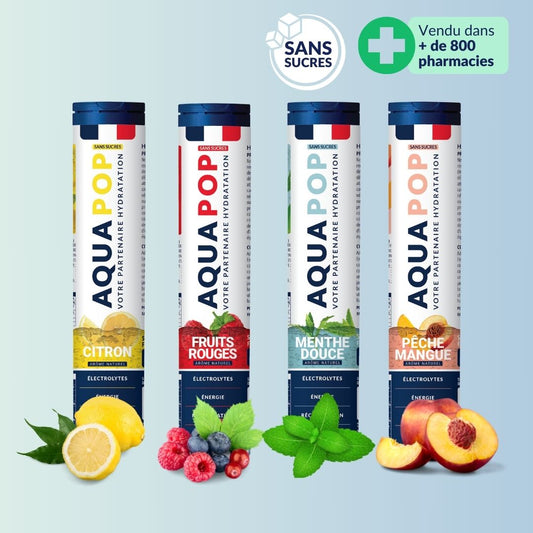
Drinking water regularly is essential, especially in hot weather. Staying hydrated helps regulate your body temperature and replenish the water lost through sweating. For optimal and comfortable hydration, remember to AQUAPOP. This electrolyte-enriched dietary supplement promotes better water absorption and helps maintain electrolyte balance—perfect for sunny days at the beach! (available on our website and at pharmacies)
2. Protect Yourself from the Sun
A wide-brimmed hat, UV-protective sunglasses, and lightweight but covering clothing can go a long way toward preventing sunstroke. Don't forget to apply a generous amount of sunscreen with a high SPF (at least SPF 30) every two hours, especially after swimming.
3. Take breaks in the shade
Take regular breaks in the shade between sunbathing sessions. Whether under a beach umbrella, a tree, or a beach tent—these moments away from direct sunlight allow your body to cool down and recover.
4. Avoid the hottest hours of the day
UV radiation is strongest between noon and 4 p.m. If possible, avoid staying on the beach during this time, or limit your direct exposure to the sun. Use these hours to have lunch, read in the shade, or take a nap.
Facts and Figures for a Better Understanding
- According to the World Health Organization (WHO) excessive sun exposure is the leading cause of heatstroke and can lead to more than 60,000 deaths worldwide each year.
- The Public Health Agency of Canada reports that frequent sunburns before the age of 20 increase the risk of developing skin cancer later in life.
- The American Academy of Dermatology recommends using a broad-spectrum sunscreen with an SPF of 30 or higher to protect against harmful UVA and UVB rays.
If you follow these simple tips and AQUAPOP into your routine, you can enjoy the beach to the fullest while protecting your health. Stay cool, drink plenty of water, and have a worry-free summer!



 10 Rue de la Paix 75002 PARIS


