 ⭐⭐⭐⭐⭐ 4.7/5 based on over 300 reviews ✅
 Free shipping on orders of €35 or more, or to a package pickup location
 30-Day Money-Back Guarantee
The Hédonist Labs Laboratory
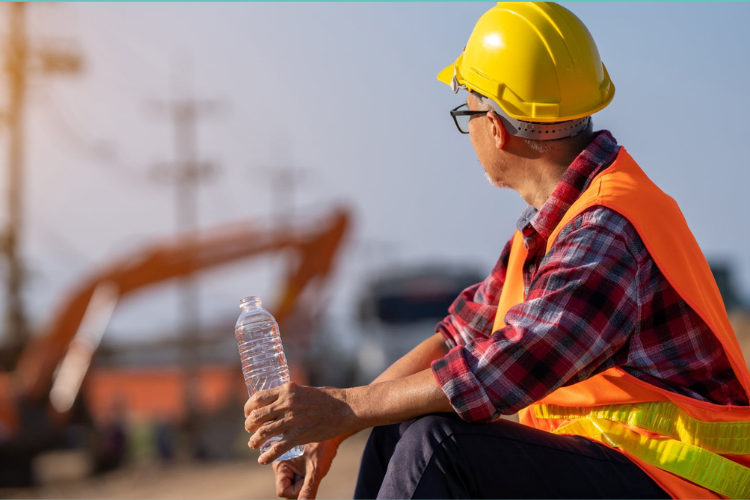
Building structures and roads requires not only skill but also exceptional physical endurance. In the construction industry, where conditions can be particularly demanding, a seemingly minor detail such as hydration can become a critical issue. Safety is the top priority, which is why it is important to recognize and manage the risks of dehydration to ensure workers’ well-being and performance.
How does dehydration affect the safety and performance of construction workers, and what strategies can be used to prevent it?
The construction and related industries are known for their dynamism and their central role in infrastructure development.
However, this field is also associated with working conditions that are often demanding and, at times, dangerous. Occupational safety is therefore a top priority in the construction industry, as the risks are numerous and varied.
Let’s now take a look at a key aspect of workplace safety in the construction industry: the risks of inadequate fluid intake. Although it may seem harmless at first, dehydration can have serious consequences for construction workers’ health and safety on the job site. We will therefore examine the various aspects of this problem and the measures that should be taken to effectively prevent it.
DEFINITION AND SIGNIFICANCE OF FLUID INTAKE
Hydration is an essential process for the proper functioning of the human body. It involves supplying the body with sufficient water and maintaining an adequate level. Water is indispensable for numerous biological functions, such as regulating body temperature, transporting nutrients, and eliminating waste products.
The body's water needs depend on various factors, particularly age, weight, level of physical activity, and environmental conditions. In general, a healthy adult should drink about 1.5 to 2 liters of water per day to stay adequately hydrated. However, this need can increase significantly in high temperatures or during intense physicalactivity, however, this requirement can increase significantly.
Dehydration—that is, a lack of water in the body—can have serious consequences for health and work performance. Symptoms of dehydration include thirst, fatigue, headaches, dizziness, muscle cramps, and confusion. In particularly severe cases, dehydration can lead to heat exhaustion, heat stroke, or even damage to vital organs and death.
In addition, insufficient fluid intake can impair concentration, attention, and coordination, thereby increasing the risk of accidents on construction sites.
THE CONSTRUCTION INDUSTRY AND ITS SPECIFIC RISKS
In the construction industry, working conditions are often demanding and can put workers at an increased risk of dehydration. Construction sites are often outdoors, exposed to the elements, and experience high temperatures during the summer months. In addition, physically demanding activities such as manual labor, carrying heavy loads, and working with tools and machinery increase the body’s need for water.
In this context , inadequate fluid intake can lead to reduced physical and cognitive performance , thereby increasing the risk of accidents on construction sites. Dehydrated workers are more likely to make mistakes, lose concentration more easily, and react more slowly in emergency situations.
Although specific statistics on accidents caused by dehydration in the construction industry may vary, several studies have demonstrated the significant impact of this problem on workplace safety. Research has shown that dehydration was a contributing factor in numerous accidents and incidents on construction sites—further evidence of how important adequate hydration is for preventing work-related risks in the construction industry.
AGGRAVATING FACTORS AND SENSITIZATION
Inadequate fluid intake on construction sites is further exacerbated by environmental conditions such as high temperatures, humidity, and prolonged exposure to sunlight. These factors increase fluid loss through sweating and thus accelerate the risk of dehydration among construction workers.
It is crucial to raise awareness among both workers and employers about the risks associated with dehydration. Training on how to recognize symptoms of dehydration and on preventive measures is essential to fostering a culture of workplace safety.
To stay properly hydrated on construction sites, workers are advised to drink water regularly throughout the day—even when they don't feel thirsty—and to avoid beverages containing caffeine or alcohol, as these can increase the risk of dehydration.
It is also important to wear lightweight, breathable clothing, take regular breaks in the shade, and provide cool, well-ventilated rest areas on construction sites. Employers also play a crucial role by ensuring easy access to drinking water on construction sites and fostering a culture that prioritizes workers’ health and safety.
LEGAL REQUIREMENTS AND RESPONSIBILITIES
When it comes to preventing work-related risks, employers in the construction industry are subject to various legal obligations to ensure the safety and health of their workers—including the prevention of risks associated with dehydration. Under current law, employers must:
- Implement preventive measures tailored to the specific conditions of each construction site, particularly with regard to preventing heat-related and dehydration risks.
- Provide easy access to drinking water and encourage workers to drink regularly.
- Ensure that appropriate training is provided on the risks of dehydration and the preventive measures to be taken.
Employers are responsible for creating a safe work environment and ensuring that workers have the necessary resources to stay adequately hydrated throughout the day. Workers, in turn, are responsible for following established safety guidelines, reporting health issues related to heat or dehydration, and taking steps to protect themselves, such as drinking enough water and wearing appropriate clothing.
Many construction companies have implemented measures to ensure that their employees stay properly hydrated. These may include drinking water stations on construction sites, the distribution of reusable water bottles, regular breaks in the shade, and ongoing awareness campaigns about the risks of dehydration. Some companies have also developed special training programs to educate workers about the risks of heat-related illness and dehydration, as well as the appropriate preventive measures.
CASE STUDIES AND EXPERIENCE REPORTS
Case studies have highlighted the serious consequences of inadequate fluid intake in the construction industry, including cases of heat exhaustion, heat stroke, and workplace accidents resulting from reduced performance due to dehydration.
Construction workers have also shared their personal experiences with dehydration on the job, describing symptoms such as fatigue, headaches, and dizziness, as well as the challenges they face in staying adequately hydrated during long workdays on the construction site.
These case studies underscore how important it is for employers to take preventive measures to ensure that workers stay properly hydrated— for example, by providing drinking water on construction sites, raising awareness about the risks of dehydration, and encouraging regular breaks in the shade. Best practices also include training workers to recognize the symptoms of dehydration and the steps to take if problems arise, as well as establishing a health monitoring system to quickly identify and treat cases of dehydration.
It is essential that employers, workers, and authorities work together to prevent the risks associated with inadequate fluid intake on construction sites. This requires preventive measures such as raising awareness of the risks of dehydration, providing drinking water on construction sites, training workers on good hydration practices, and monitoring workers’ health to identify and promptly treat cases of dehydration.





 10 Rue de la Paix 75002 PARIS


