 ⭐⭐⭐⭐⭐ 4.7/5 based on over 300 reviews ✅
 Free shipping on orders of €35 or more, or to a package pickup location
 30-Day Money-Back Guarantee
The Hedonistlabs Lab
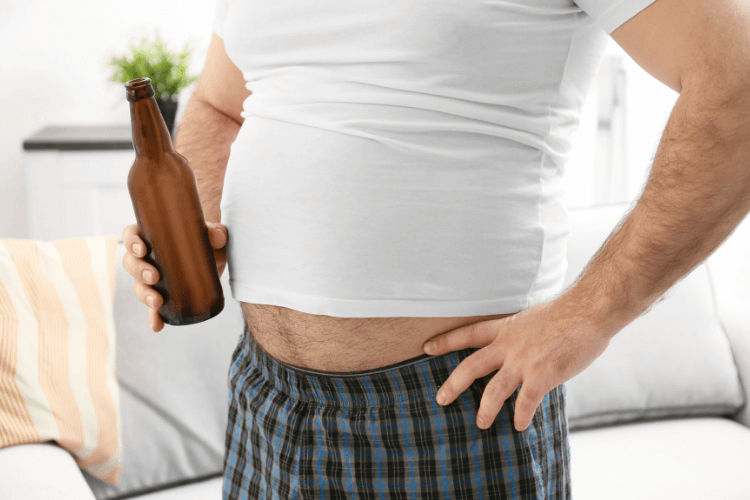
A bloated stomach is often linked to alcohol consumption. While this phenomenon is widespread, it involves complex mechanisms and health risks.
Why does alcohol cause bloating? Find out what's behind this phenomenon and what you can do about it.
Alcohol and Water Retention
Alcohol acts as a diuretic and thus causes the body to become dehydrated. To compensate for this, the body may retain more water, leading to swelling of the abdomen and other parts of the body. Alcohol consumption also causes inflammation in the stomach and intestines, contributing to bloating.
The Effects on the Digestive System
- Irritation of the gastrointestinal mucosa: Alcohol irritates the lining of the stomach and intestines, which can lead to inflammation and bloating.
- Disruption of the Gut Flora: Regular alcohol consumption can upset the balance of gut flora and promote the growth of harmful bacteria that produce gas and cause bloating.
- Reduced Nutrient Absorption: Alcohol impairs digestion and nutrient absorption, which can disrupt normal bowel function and lead to a bloated stomach.
Long-Term Consequences
A bloated stomach caused by alcohol can be a sign of more serious problems, such as:
- Hepatomegaly: An enlarged liver, often the result of excessive alcohol consumption, can cause abdominal swelling.
- Ascites: A buildup of fluid in the abdominal cavity, often associated with liver diseases such as cirrhosis.
- Irritable Bowel Syndrome (IBS): Alcohol can worsen the symptoms of IBS and lead to bloating, abdominal pain, and changes in bowel habits.
Strategies for Reducing a Bloated Stomach
- Limit Alcohol Consumption: Drink less alcohol to reduce irritation and inflammation of the digestive system.
- Hydration: Drink plenty of water to help your body flush out excess alcohol and reduce water retention.
- Healthy Eating: Eat foods rich in fiber and probiotics to restore the balance of your gut flora.
- Regular exercise: Physical activity can improve digestion and reduce bloating.
- See a doctor: If bloating persists, it is important to see a healthcare professional to rule out any possible underlying conditions.
A bloated stomach caused by alcohol consumption is not only uncomfortable but can also be a sign of more serious health problems. If you understand the mechanisms behind it and adopt healthier habits, you can reduce these symptoms and improve your overall well-being.
Sources:
National Institute on Alcohol Abuse and Alcoholism (NIAAA) - For detailed information on the effects of alcohol on the digestive system and water retention.
Mayo Clinic - For tips on managing bloating and information about the effects of alcohol on the body.
Journal of Gastroenterology and Hepatology - Scientific publications on the effects of alcohol on gut flora and digestion.
World Journal of Gastroenterology - Studies on the mechanisms of alcohol-induced gastrointestinal irritation and inflammation.
Harvard Health Publishing - Articles on nutrition, hydration, and the effects of alcohol on digestive health.



 10 Rue de la Paix 75002 PARIS


